
Shirodhara
What Is The Shirodhara?
Shirodhara is a traditional Ayurvedic therapy or slowly and steadily dripping medicated oil or decoctions on the forehead. The treatment induces a relaxed state of awareness, resulting in a psychosomatic balance. Intense feelings of wellness, mental lucidity, and comprehension are experienced in the Shirodhara treatment.
What Are The Different Types Of Shirodhara?
How Ayurvedic treatments work
In Tailadhara, Ayurvedic practitioners advise using herbal oils by mixing them with herbal extracts or different essential oils. It is beneficial for balancing the Vata dosha in the body.
Takradhara
Takra Dhara uses buttermilk infused with special herbs. It is beneficial for balancing the Pitta dosha and helps maintain homeostasis, which is the body's ability to maintain internal stability despite changes in external conditions.
Ksheer Dhara
Ksheer Dhara uses milk infused with herbs. The medicated milk is poured over the head, and it is helpful in Vata and Pitta's predominant headaches, stress, and anxiety and helps nourish and relax the body.
Kwathdhara
Decoctions made with different herbs are used in Kwathdhara. It helps balance Vata and Kapha dosha and is considered therapeutic for various conditions.
Jala Dhara
In Jala Dhara, Coconut water or regular water is used. It is mainly suggested in cases of ailments due to excess heat in the body.
Why Is Shirodhara Practiced?
Shirodhara relaxes the mind and helps eliminate mental toxins (ama) by purifying and balancing your doshas. It stimulates the vital points in your head, which help boost blood circulation. Massaging the head allows the oil to infuse deep into the scalp, imparting a comforting sensation, further permeating the forehead’s internal peripheral nerves.
How Do You Perform Shirodhara?
- The Shirodhara treatment usually follows Abhyanga. The person lies down on the Shirodhara table, their eyes closed and covered.
- A warm herbal decoction/oil stream is poured onto the person's forehead. Vibrations are created on the forehead by the constant stream of oil. The oil penetrates deep down into the nervous system after saturating the forehead and scalp. The oils used in this procedure improve blood circulation to the brain by the vasodilation of all the channels.
- The warm pressure and oil flow help you rejuvenate and relax completely. The practitioner rotates the Dhara pot to maintain the rhythmic and continuous flow of oil over your entire forehead.
- After finishing the Dhara, the patient is allowed to rest for a few minutes, and then a hot water bath can be taken, and the hair is cleaned out.
- The time and duration of Shirodhara treatment may extend from 30 to 60 minutes, depending on the person's condition. It is essential to ensure that the oil does not enter your eyes or ears and is therefore recommended to be performed under the guidance of an experienced therapist.

What Are The Benefits Of Shirodhara?
Shirodhara is an extensive therapy performed in a purpose-built setting using specialized techniques and ingredients to maximize the health benefits. Let’s look at some of the significant benefits of Shirodhara.
How Ayurvedic treatments work
In Tailadhara, Ayurvedic practitioners advise using herbal oils by mixing them with herbal extracts or different essential oils. It is beneficial for balancing the Vata dosha in the body.
Takradhara
Takra Dhara uses buttermilk infused with special herbs. It is beneficial for balancing the Pitta dosha and helps maintain homeostasis, which is the body's ability to maintain internal stability despite changes in external conditions.
Ksheer Dhara
Ksheer Dhara uses milk infused with herbs. The medicated milk is poured over the head, and it is helpful in Vata and Pitta's predominant headaches, stress, and anxiety and helps nourish and relax the body.
Oil For Shirodhara
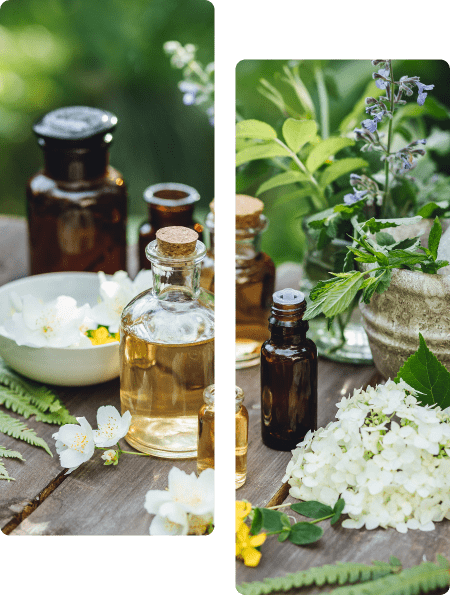
Ksheerabala thailam
it's a blend of sesame oil, Bala herb paste, and cow's milk. It is a profoundly relaxing oil applied on palms and soles to promote sleep. Along with this, it is also used for Shirodhara to relieve stress and promote relaxation.
Chandanadi thailam
it's a natural coolant that soothes tense nerves and sore muscles.
Karpasasthyadi thailam
it's a medicated oil that helps with various neuromuscular conditions.
Dhanwantharam thailam
Dhanwantharam thailam is a massage oil for pre and postnatal care in women. It is also a complete nourishment oil used for full-body massage for men & women that helps relieve muscle cramps and pain and promotes relaxation.
Sesame oil
Full of antioxidants, this oil regulates serotonin activity and soothes irritated nerves and aching muscles.
Frequently Asked Questions

What is the benefit of Shirodhara?
A typical Shirodhara session would last 30 to 60 minutes and is done for 3, 7, 14, or 28 days. The duration of a session may vary. The Ayurvedic practitioner determines the duration and the number of days according to the patient’s age, constitution, dosha status, and the severity of the disease.

How many days of Shirodhara?
A typical Shirodhara session would last 30 to 60 minutes and is done for 3, 7, 14, or 28 days. The duration of a session may vary. The Ayurvedic practitioner determines the duration and the number of days according to the patient’s age, constitution, dosha status, and the severity of the disease.

What is the benefit of Shirodhara?
A typical Shirodhara session would last 30 to 60 minutes and is done for 3, 7, 14, or 28 days. The duration of a session may vary. The Ayurvedic practitioner determines the duration and the number of days according to the patient’s age, constitution, dosha status, and the severity of the disease.

How many days of Shirodhara?
A typical Shirodhara session would last 30 to 60 minutes and is done for 3, 7, 14, or 28 days. The duration of a session may vary. The Ayurvedic practitioner determines the duration and the number of days according to the patient’s age, constitution, dosha status, and the severity of the disease.

How many types of Shirodhara are there?
At NIMBA, it provides specialized forms of Shirodhara Treatment called “TAILADHARA” (medicated oils), “KSHEERADHARA” (medicated milk), “TAKRADHARA” (medicated milk), and “JALADHARA” (medicated water).