
Marma Therapy
What Is Marma Therapy?
Marma therapy is Ayurvedic healing that stimulates specific points in the body to balance energy flow and improve health. Marma therapy is based on marma points, locations where two or more types of tissue meet, such as muscles, veins, ligaments, bones, or joints.
Marma points are believed to be doorways to the body and consciousness, and they correspond to the five elements of nature: earth, water, fire, air, and space. There are 107 marma points in the human body, and each one has a specific function and effect on a person’s physical and mental well-being.
What Is Involved In Marma Therapy?
Marma therapy involves gently massaging the marma points with aromatic oils, herbs, or other substances to stimulate them and release any blockages or stagnation in the energy channels. Marma therapy can also help to detoxify the body, nourish the tissues, enhance the immune system, and promote relaxation.
Benefits of Marma Therapy
- Relief from chronic or acute pain
- Improved digestion and metabolism
- Reduced stress and anxiety
- Increased vitality and energy
- Balanced hormones and emotions
- Enhanced memory and concentration
- Clearer skin and complexion
- Prevention of diseases and injuries
Who Performs Marma Therapy?
Marma therapy is usually performed by a trained therapist who knows the locations and functions of the marma points. However, some marma points can also be self-massaged for daily health maintenance. Marma therapy is a holistic and natural way of healing that can support the overall well-being of a person.
How To Prepare For Marma Therapy?
To prepare for marma therapy, you may want to follow these steps:
- Have a light meal at least half an hour before the session. You can have fruits, buttermilk, unprocessed cereals, or light vegetables.
- Avoid alcohol, caffeine, tobacco, and other stimulants before and after the session.
- Wear comfortable and loose clothing that allows access to the marma points.
- Inform your therapist about any medical conditions, allergies, injuries, or medications you have.
- Relax, breathe deeply during the session, and follow the therapist's instructions.

What Happens During Marma Therapy?
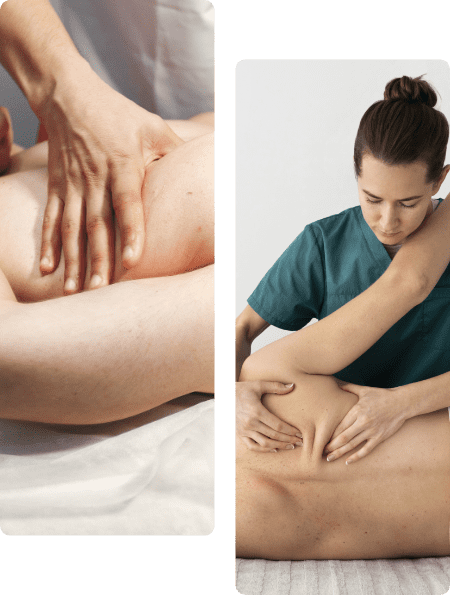
During marma therapy, the therapist will gently massage the marma points on your body with aromatic oils, herbs, or other substances. The therapist will use different techniques, such as pressing, tapping, rubbing, or holding the points to stimulate them and release any blockages or stagnation in the energy channels. The therapist will also monitor your pulse, temperature, and skin color to assess your response to the treatment.
Procedure for Marma Therapy
The procedure for marma therapy may vary depending on the therapist’s style, your condition, and your goals. However, a typical session may last for 60 to 90 minutes and may include the following steps:
- The therapist will ask you about your health history, lifestyle, and expectations from the treatment.
- The therapist will explain the benefits and risks of marma therapy and obtain your consent.
- The therapist will help you lie on a massage table or a mat and cover you with a sheet or a towel.
- The therapist will start by massaging your head and neck region, where there are 37 marma points. The therapist will then move to your chest and stomach region, where there are 12 marma points. Next, the therapist will massage your arms and hands, where there are 22 marma points. Finally, the therapist will massage your legs and feet, where there are 22 marma points.
- The therapist will end the session by giving you water or herbal tea and advising you on self-care tips.
Risks Involved in Marma Therapy
The risks involved in marma therapy are minimal if done by a trained and experienced therapist. However, some possible side effects may include:
The risks involved in marma therapy are minimal if done by a trained and experienced therapist. However, some possible side effects may include:
- Bruising, swelling, or pain at the site of stimulation
- Allergic reaction to the oils or herbs used
- Aggravation of existing medical conditions
- Emotional release or discomfort
- Dizziness or nausea
To avoid these risks, consult your doctor before starting marma therapy and inform your therapist about any concerns you have. You should also follow the aftercare instructions given by your therapist, such as drinking plenty of water, resting well, avoiding strenuous activities, and eating light meals.
Frequently Asked Questions

What is the difference between marma therapy and acupuncture?
Acupuncture is a form of traditional Chinese medicine that involves inserting thin needles into specific points on the body to balance the flow of qi (energy). Marma therapy is a form of Ayurvedic medicine that involves massaging specific points on the body to balance the flow of prana (energy). Both therapies aim to improve health by stimulating the energy channels in the body. However, they differ in their origin, philosophy, techniques, and points used.

How often should I do marma therapy?
The frequency of marma therapy depends on your condition and your goals. Some people may benefit from a single session, while others may need multiple sessions over time. Generally speaking, you can do marma therapy once weekly or every two weeks for maintenance or prevention. However, you should consult your therapist for a personalized recommendation based on your needs⁵.

Can I do Marma's therapy at home?
Yes, you can do marma therapy at home by learning some basic techniques and self-massage methods from a qualified therapist or a reliable source. You can also use simple tools like a wooden stick or a spoon to stimulate the marma points. However, you should be careful not to overdo it or injure yourself. You should also seek professional guidance if you have any medical conditions or doubts.

How does marma therapy work?
Marma therapy works by stimulating the marma points on the body, where two or more types of tissue meet, such as muscles, veins, ligaments, bones, or joints. These points are believed to be doorways to the body and consciousness and correspond to nature’s five elements: earth, water, fire, air, and space. By massaging these points with aromatic oils, herbs, or other substances, the therapist can release any blockages or stagnation in the energy channels and balance the flow of prana (energy) in the body. This can improve the health and well-being of the person at physical, emotional, mental, and spiritual levels.

Who can do Marma therapy?
Marma therapy can be done by anyone who wants to improve their health and well-being. However, it is advisable to seek professional guidance from a trained and experienced therapist who knows the locations and functions of the marma points. The therapist can customize the treatment according to the person’s condition and goals. Marma therapy is not recommended for pregnant women, people with bleeding disorders, infections, or severe illnesses.

How often should I do marma therapy?
The frequency of marma therapy depends on your condition and your goals. Some people may benefit from a single session, while others may need multiple sessions over time. Generally speaking, you can do marma therapy once weekly or every two weeks for maintenance or prevention. However, you should consult your therapist for a personalized recommendation based on your needs.

What are the benefits of marma therapy?
Some of the benefits of marma therapy may include:
- Relief from chronic or acute pain
- Improved digestion and metabolism
- Reduced stress and anxiety
- Increased vitality and energy
- Balanced hormones and emotions
- Enhanced memory and concentration
- Clearer skin and complexion
- Prevention of diseases and injuries